
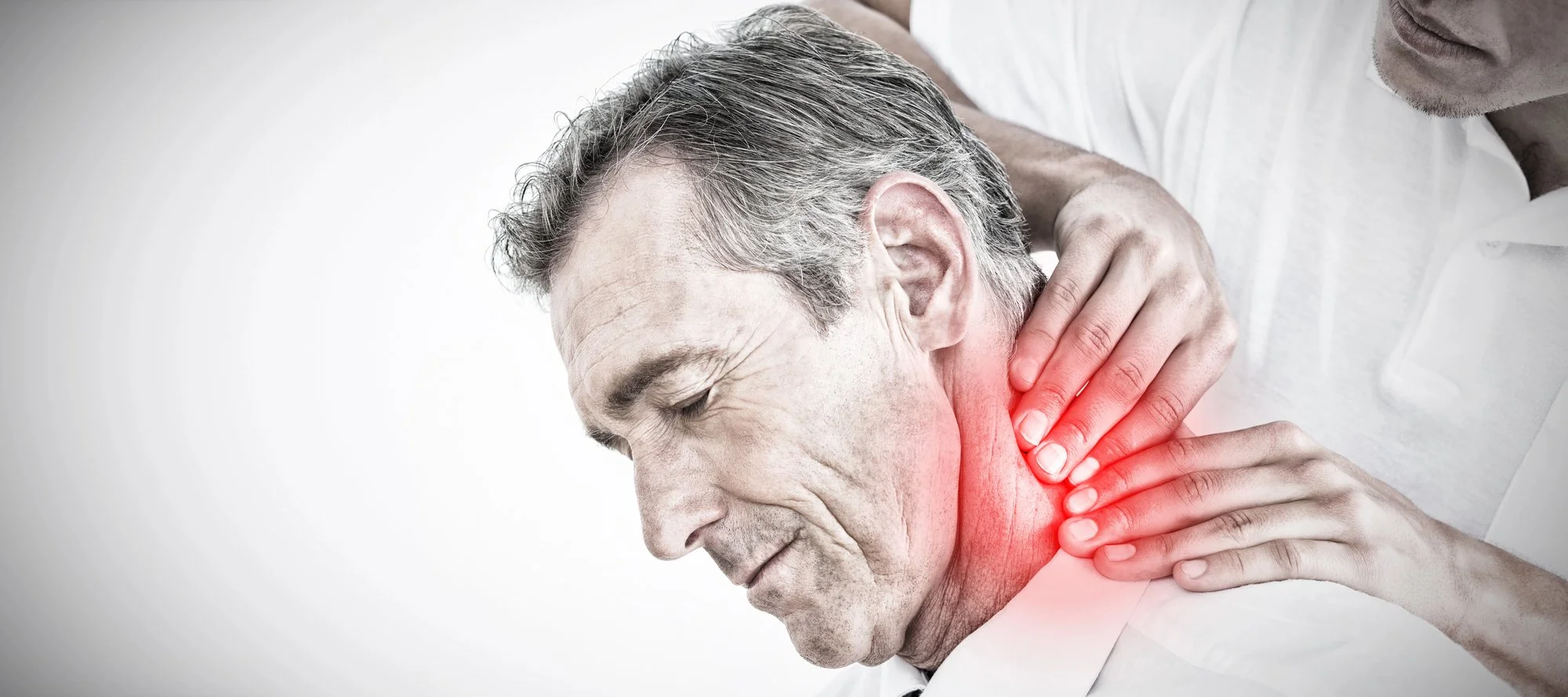
Physical Therapy for Neck Pain in NYC
Expert rehabilitation for neck pain, cervical disc injuries, pinched nerves, radiating arm pain, and chronic stiffness. We identify what is driving the problem and build a plan around getting you back to full function.
THE MOMENT PERSPECTIVE
Most neck pain is being managed, not solved.
Medication takes the edge off. A massage provides temporary relief. Rest settles things down until you go back to doing what caused the problem. For a lot of people, this cycle runs for months or years before they seek out a real assessment.
The neck is a complex structure: seven vertebrae, dozens of muscles, a network of nerves that branch out to the shoulders, arms, and hands, and a spinal cord running through the middle of all of it. When something goes wrong, the symptoms can show up far from the source. Arm pain, tingling in the fingers, headaches, shoulder tension, even weakness in the grip, all of these can originate in the cervical spine.
What this means in practice is that effective neck treatment requires more than treating the neck in isolation. The position and mobility of the thoracic spine affects how the cervical spine moves. Shoulder blade control affects how much work the neck muscles have to do. Breathing mechanics influence resting tension throughout the entire upper body. Treating only where it hurts, without understanding what is driving it, produces temporary results at best.
At Moment, we treat neck pain the same way we treat every condition:
with a full evaluation of the whole system, objective assessment of what is and is not working, and a plan built specifically for your body and your goals.
0
Cookie-cutter protocols. Every plan is built from your evaluation, not a template.
3
NYC locations. Midtown, SoHo, Long Island City.
100%
One-on-one sessions. No aides, no hand-offs, no exceptions.
When a physical therapist becomes the patient
"I am a physical therapist myself with my own PT practice and I suffered a debilitating injury I could not resolve on my own. I had radiating pain from my neck all the way down my arm and it was impacting my ability to help my own patients. Andy utilized techniques I myself had never thought to use in practice and was very thoughtful in his approach, knowing I understood anatomy. With Andy's help I regained confidence in exercise and got back to golfing, which was the initial trigger for all of my symptoms. He empowers you to feel strong and remain active within what your body will allow."
Sam Becourtney, PT
Result: Resolved radiating arm pain, returned to golf, and regained confidence to exercise — results a practicing PT could not achieve on their own.
Neck conditions we treat
Each section below describes our clinical approach to a specific neck condition: what drives it, how we assess it, and how we treat it. These are not category labels. They are a description of how we actually work.
Cervical radiculopathy (pinched nerve in the neck)
NERVE COMPRESSION — RADIATING SYMPTOMS
Cervical radiculopathy is what happens when a nerve root in the neck gets compressed or irritated, usually by a herniated disc or arthritic bone changes narrowing the space the nerve travels through. The result is pain, tingling, numbness, or weakness that radiates from the neck into the shoulder, arm, or hand. Many patients describe it as an electric or burning sensation that travels down a specific pathway.
This is one of the conditions most likely to be managed with medication, injections, or surgical referrals before conservative physical therapy is seriously attempted. That is a mistake in most cases. The nerve has a remarkable capacity to recover when the pressure driving the irritation is reduced and the surrounding structures are strengthened to take better care of it.
Treatment focuses on reducing irritation through manual therapy and careful positioning, then progressively building the strength and mobility of the neck, shoulder, and upper back so the nerve is better supported. Most patients notice meaningful improvement within a few weeks of consistent treatment.
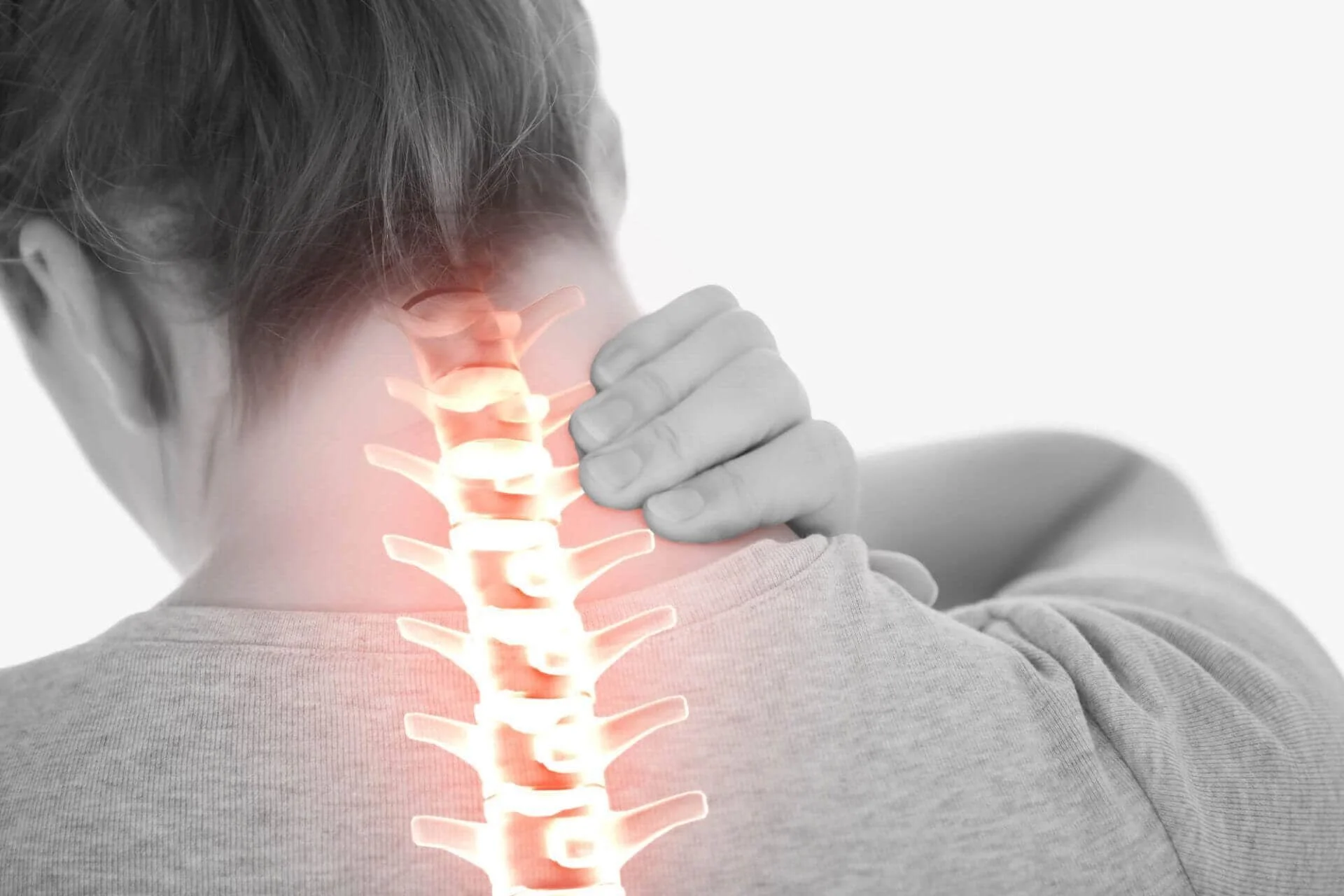
Radiating arm pain from the neck is serious, but surgery is rarely the first or only option. Most cases respond well to targeted physical therapy.
— CLINICAL TAKEAWAY
Cervical herniated disc
DISC INJURY — NECK
A herniated disc in the neck occurs when the soft inner material of a spinal disc pushes through the outer layer and presses against nearby nerves or spinal cord tissue. Symptoms range from localized neck pain to sharp radiating pain down the arm, and in more significant cases, weakness in the hand or arm.
The word herniation sounds alarming, but disc injuries in the neck are far more amenable to conservative treatment than most people expect. Discs do not need to be physically removed or repaired to stop causing pain. The body naturally reabsorbs herniated disc material over time, and physical therapy accelerates recovery by reducing compression, restoring movement, and building the muscular support that takes load off the disc.
Our approach combines hands-on treatment to reduce immediate irritation with a progressive strengthening program that addresses the underlying movement patterns driving the problem. We also work closely with surgeons when imaging and presentation suggest that a more urgent intervention is appropriate.
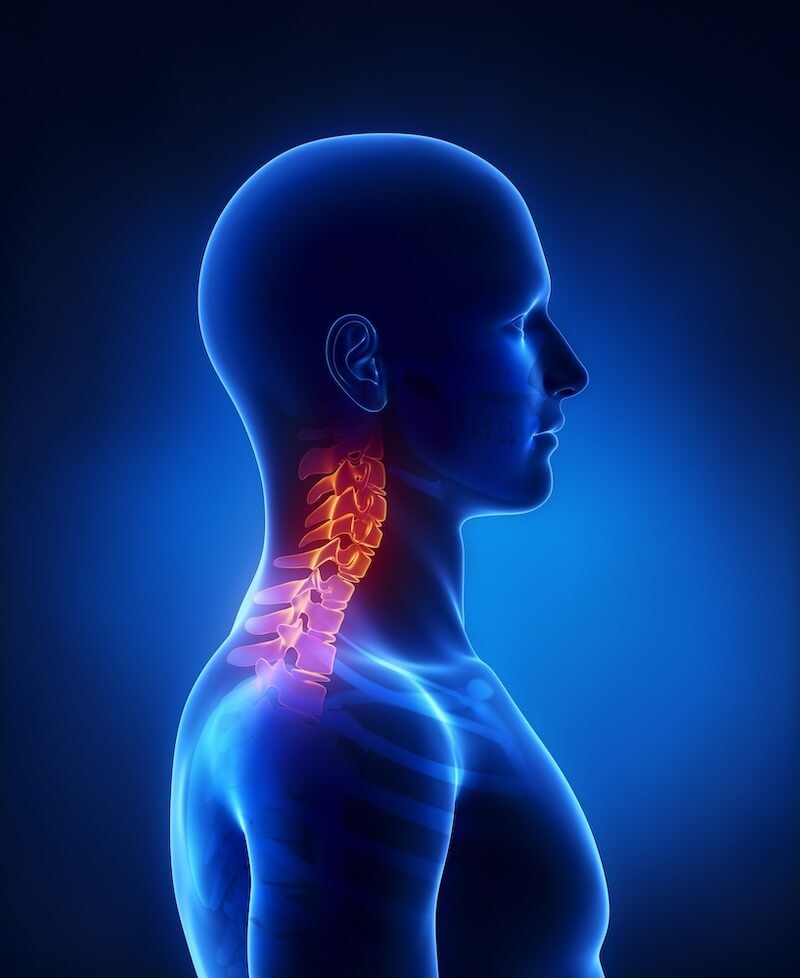
Most herniated discs in the neck do not require surgery. The body has a strong capacity to heal with the right support.
— CLINICAL TAKEAWAY
Cervicogenic headaches
HEADACHES FROM THE NECK
Cervicogenic headaches originate in the neck, not the brain. They are caused by problems in the cervical spine, including joint stiffness, muscle tension, and nerve irritation, that refer pain upward into the head. The pain typically starts at the base of the skull and spreads forward to the forehead or behind one eye. It is often made worse by sustained neck positions, like looking at a screen for hours.
These headaches are frequently misdiagnosed as migraines or tension headaches and treated with medication that addresses the symptom but not the source. A skilled physical therapist can usually identify cervicogenic headache by the pattern of pain and the way the neck moves, and treat it directly.
Manual therapy to the upper cervical joints combined with postural retraining and targeted strengthening of the deep neck muscles is consistently effective. Many patients who have lived with chronic headaches for years see significant relief within a handful of sessions once the cervical source is properly addressed.

If your headaches start at the base of your skull and get worse with certain neck positions, they may be coming from your neck, not your head. That distinction changes everything about how to treat them.
— CLINICAL TAKEAWAY
Non-specific neck pain and chronic stiffness
EVERYDAY NECK PAIN
Most neck pain does not come with a dramatic diagnosis. It builds gradually. You sit at a desk for years. You sleep in an awkward position. You carry tension in your shoulders without realizing it. Over time, the range of motion narrows, certain movements become uncomfortable, and the stiffness starts to feel permanent.
Non-specific neck pain responds well to treatment precisely because it usually has clear, addressable causes: restricted joint mobility, weak deep neck flexors, overworked superficial muscles compensating for what the deeper ones are not doing. None of these require imaging to identify. They show up clearly in a hands-on evaluation.
Treatment combines manual therapy to restore joint and soft tissue mobility with targeted strengthening to address the underlying weakness driving the tension. We also look at posture and movement habits, because no amount of in-clinic treatment will hold if the daily patterns driving the problem go unchanged.
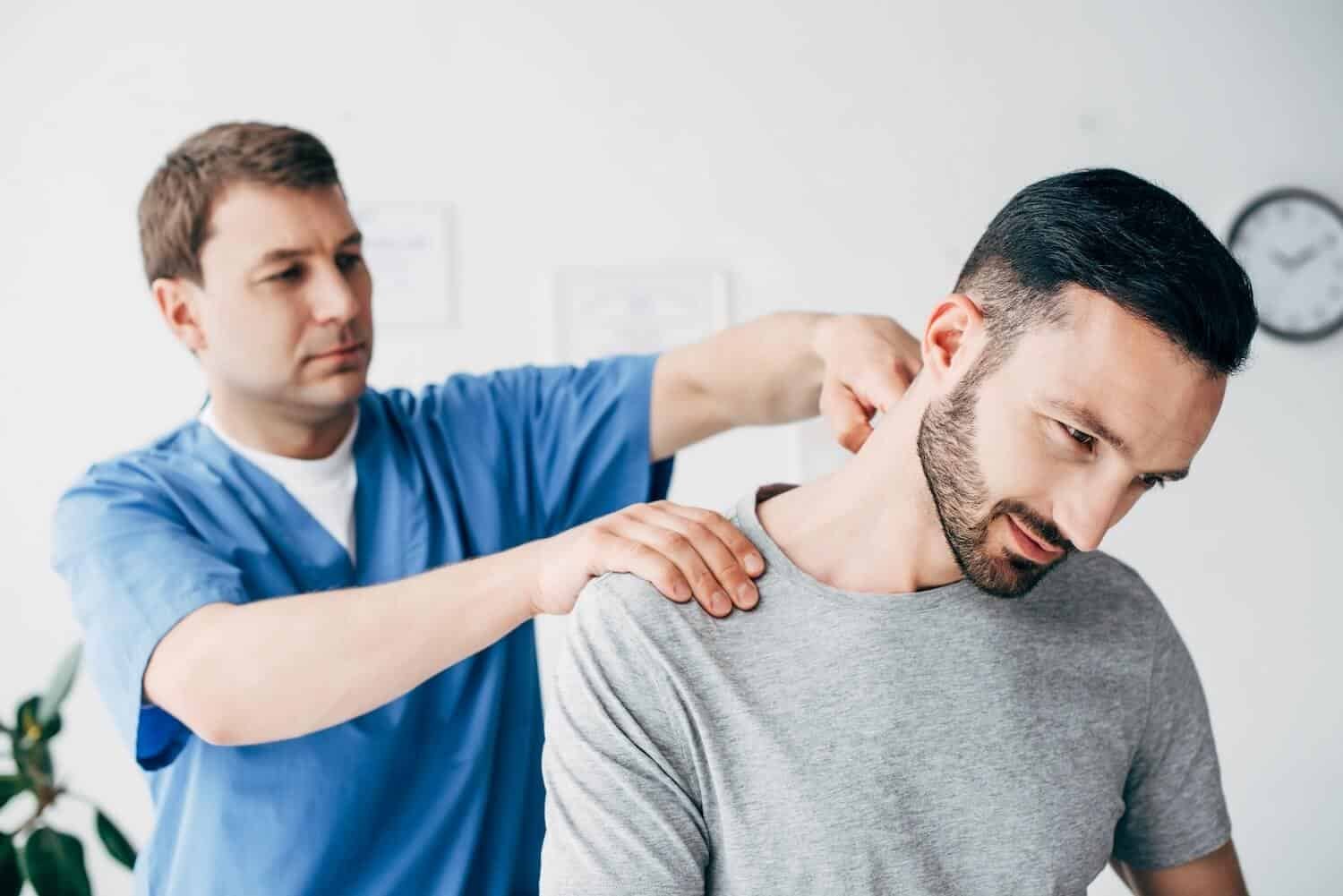
Chronic neck stiffness is not something you have to learn to live with. In most cases it has a clear cause and a clear solution.
— CLINICAL TAKEAWAY
Whiplash and neck injuries from trauma
POST-TRAUMATIC NECK PAIN
Whiplash is the sudden, forceful movement of the head that strains the muscles, ligaments, and joints of the neck. It is most associated with car accidents, but it also occurs in contact sports, falls, and other impacts. Symptoms do not always appear immediately and can develop or worsen in the days following the injury.
Properly managed whiplash responds well to early, active physical therapy. The old advice to rest and wear a cervical collar has been largely replaced by evidence showing that gentle, progressive movement produces better outcomes. The goal is to prevent the acute injury from developing into a chronic condition through early restoration of mobility and graduated strengthening.
We assess the full extent of the injury, including the joints, muscles, and nervous system, and build a treatment plan that moves at the pace your tissue can handle while keeping you as active as possible throughout.

Early active rehabilitation produces better outcomes than rest for most whiplash injuries. The sooner treatment begins, the better the prognosis.
— CLINICAL TAKEAWAY
Forward head posture and postural dysfunction
POSTURE RELATED NECK PAIN
Forward head posture is one of the most common contributors to chronic neck pain and is almost entirely a product of how we live and work. For every inch the head sits forward of the shoulders, the effective weight the neck muscles must support increases significantly. Over years of desk work, phone use, and driving, the surrounding musculature adapts to this position, and the joints follow.
Correcting it is not a matter of reminding yourself to sit up straight. The deep stabilizing muscles of the neck and upper back need to be retrained and strengthened. The shortened tissues in the front need to be lengthened. The movement patterns that sustain the dysfunction need to be identified and changed.
We treat postural dysfunction as a whole-system problem, not a habit problem. The work happens in the clinic and carries over into how you set up your workspace, how you move during exercise, and how you sleep.

Posture problems are not a willpower issue. They are a strength and movement pattern issue. That is exactly what physical therapy addresses.
— CLINICAL TAKEAWAY
Cervical spinal stenosis
NARROWING OF THE SPINAL CANAL
Cervical spinal stenosis occurs when the canal that houses the spinal cord narrows, putting pressure on the cord or the nerve roots branching from it. It is more common in older adults and often develops gradually from degenerative changes in the spine. Symptoms can include neck pain, arm pain or weakness, problems with balance, and in more significant cases, changes in hand function.
The severity of stenosis on imaging does not always correspond to the severity of symptoms, and many people with significant stenosis on MRI have manageable symptoms that respond well to conservative treatment. Physical therapy focuses on maximizing the function and strength of the surrounding musculature to reduce the stress placed on the narrowed canal.
We work closely with referring physicians and surgeons to determine which patients are appropriate for conservative management and which require more urgent medical attention. Our role is to optimize what is possible without surgery and to prepare patients who do need surgery for the best possible post-operative outcome.
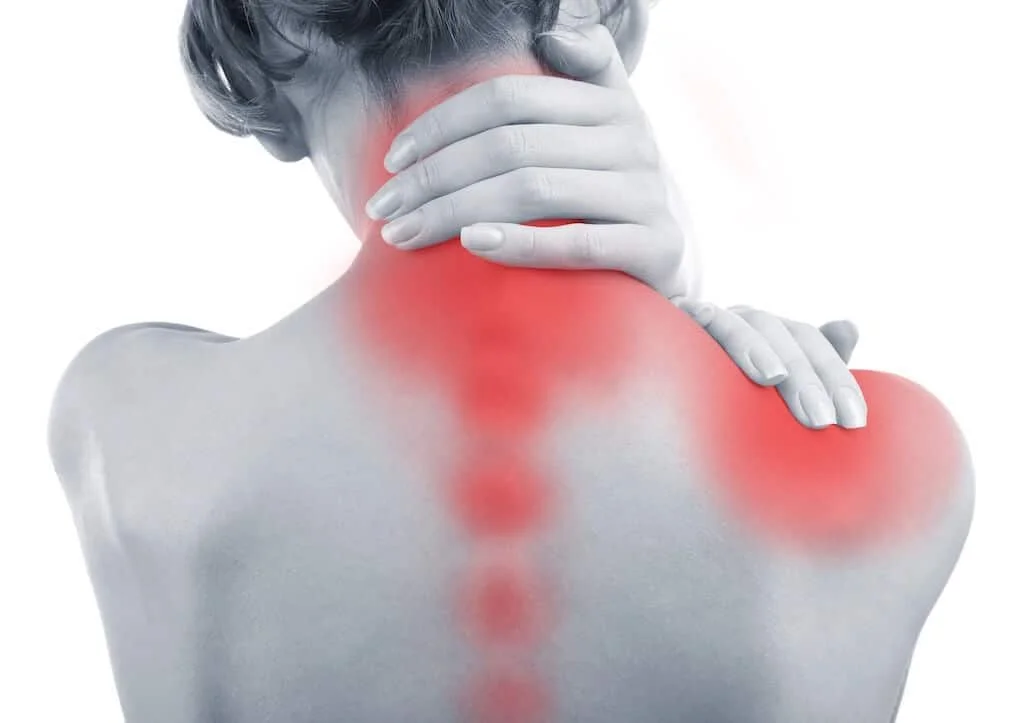
Stenosis on imaging is not a sentence. Many people with significant stenosis findings live and train at a high level with the right physical therapy support.
— CLINICAL TAKEAWAY
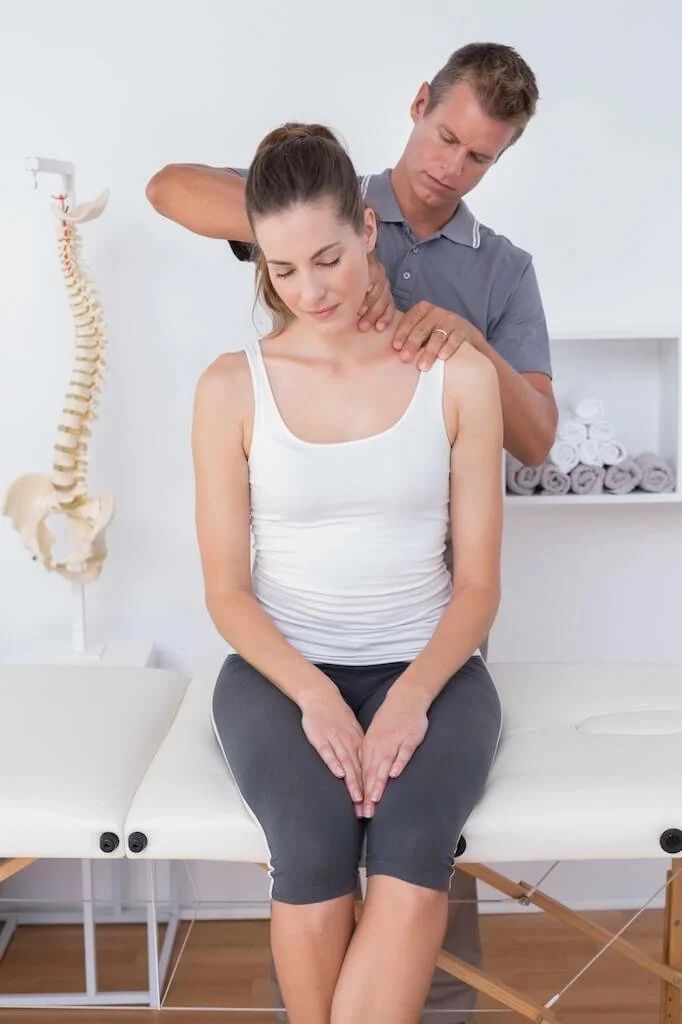
CERVICAL FUSION AND DECOMPRESSION REHAB
Neck surgery, whether a cervical fusion, discectomy, or other decompression procedure, is typically performed to reduce nerve compression and stabilize the spine. What the surgery cannot do is rebuild the strength, mobility, and movement patterns needed for a full return to activity. That is the work of rehabilitation.
Post-surgical neck rehab requires careful coordination with your surgeon, particularly in the early weeks when healing tissue must be protected. We work within surgical protocols while ensuring that mobility and strength are restored as quickly and completely as the procedure allows.
Our experience with post-surgical patients covers the full recovery arc, from the first sessions focused on reducing pain and regaining basic movement through the later phases of rebuilding strength, restoring full range of motion, and returning to exercise, sport, or demanding physical work.
Post-surgical neck rehab
What happens in rehabilitation after neck surgery determines as much of your outcome as the surgery itself. The quality of that process matters.
— CLINICAL TAKEAWAY
A significant portion of our neck pain patients are active people who were told, explicitly or implicitly, that they needed to stop exercising until the pain resolved. This is rarely the right advice. Deconditioning makes most neck conditions worse over time, and the muscles that protect the cervical spine get weaker when they are not being used.
Our goal for every active patient is to find the version of training that is safe right now, and to expand that progressively as the neck recovers. That might mean modifying your deadlift setup to reduce cervical load during a nerve irritation flare. It might mean adjusting your swimming stroke mechanics to stop driving the same compression on every turn. It might mean building the overhead mobility you have been missing, so your neck stops absorbing the work your shoulders should be doing.
We assess how your neck functions within the specific demands of your sport or training. The solution is almost never to stop. It is to understand what the activity is asking of the neck and build accordingly.
Neck pain should not keep you out of training.
OUR PROCESS
How we evaluate and treat neck pain
Every new patient goes through a thorough evaluation before treatment begins. We assess the cervical spine directly and everything connected to it.
-
01
Cervical spine assessment
Range of motion, joint mobility, nerve tension testing, and soft tissue evaluation across the neck and upper back.
-
02
Neural assessment
Testing for nerve involvement, including sensation, reflexes, and strength in the arms and hands, to identify any radiating component.
-
03
Postural and movement screen
How the head, neck, thoracic spine, and shoulder blades relate to each other at rest and under movement.
-
04
Activity-specific review
How your training, work setup, sleep position, and daily habits are contributing to and sustaining the problem.
-
05
Individualized plan
Progressive treatment built around your goals, your timeline, and what the testing actually reveals about your body.
Sessions are one-on-one with your physical therapist from start to finish. You receive a detailed plan after every session, including exercises and videos to ensure correct form between appointments.
WHO WE WORK WITH
Serious patients. Serious outcomes.
Our neck pain patients range from desk workers with years of accumulated stiffness to athletes managing acute nerve injuries. What they share is a desire to actually fix the problem rather than manage it indefinitely.
Office workers and professionals
Managing chronic neck stiffness, headaches, and upper back tension driven by sustained work postures.
Patients with nerve symptoms
Experiencing radiating arm pain, tingling, or weakness from cervical radiculopathy or disc herniation.
Headache sufferers
Living with chronic headaches that have not responded to medication and may be originating from the cervical spine.
Athletes with acute injuries
Dealing with whiplash, stingers, or acute disc injuries sustained during training or competition.
Post-surgical patients
Recovering from cervical fusion, discectomy, or other procedures and working toward full return to activity.
Active adults avoiding surgery
Managing stenosis, arthritis, or disc degeneration conservatively while maintaining training and quality of life.
-
Most neck pain is not dangerous, but certain symptoms warrant prompt medical attention: progressive arm weakness, loss of hand coordination, changes in bladder or bowel function, or neck pain following significant trauma. If your pain is accompanied by any of these, see a physician before starting PT. For everything else, getting assessed sooner rather than later is the right call.
-
In most cases, yes. Cervical disc herniations have a strong track record of resolving with conservative treatment. The disc material is reabsorbed naturally over time, and PT accelerates recovery by reducing compression, restoring movement, and building the muscular support that takes load off the affected area. Surgery is sometimes necessary, but it is rarely the first step.
-
Yes, if the headaches are cervicogenic, meaning they originate from problems in the neck rather than the brain. This is more common than most people realize. The pain typically starts at the base of the skull and spreads forward, and it tends to worsen with sustained neck positions. Manual therapy and targeted strengthening of the cervical spine are consistently effective for this type of headache.
-
It varies considerably depending on how long the nerve has been compressed, the severity of symptoms, and how consistently treatment is applied. Many patients with acute cervical radiculopathy notice meaningful improvement within four to six weeks of regular PT. Longer-standing cases take longer. We give you a realistic timeline based on your specific presentation at the initial evaluation.
-
In most cases, yes, and staying active is usually better than resting. The key is knowing which movements are safe, which ones need modification, and how to load the neck progressively without aggravating what is already irritated. That is something we work out with you in the first session and adjust as you progress.
-
It can address the underlying causes of poor posture, which is more meaningful than correcting the posture itself. Postural problems are almost always driven by muscle weakness, joint stiffness, and habitual movement patterns. Physical therapy addresses all three. The results hold when the work done in the clinic is reinforced by changes to your daily movement habits.
-
If your neck pain has been present for more than two to three weeks, is getting worse rather than better, is affecting your sleep or ability to work, or involves any radiating symptoms into the arm, it is worth getting assessed. Early treatment almost always means a faster and more complete recovery.
Frequently Asked Questions
Moment Physical Therapy and Performance | Midtown Manhattan | SoHo | Long Island City, Queens